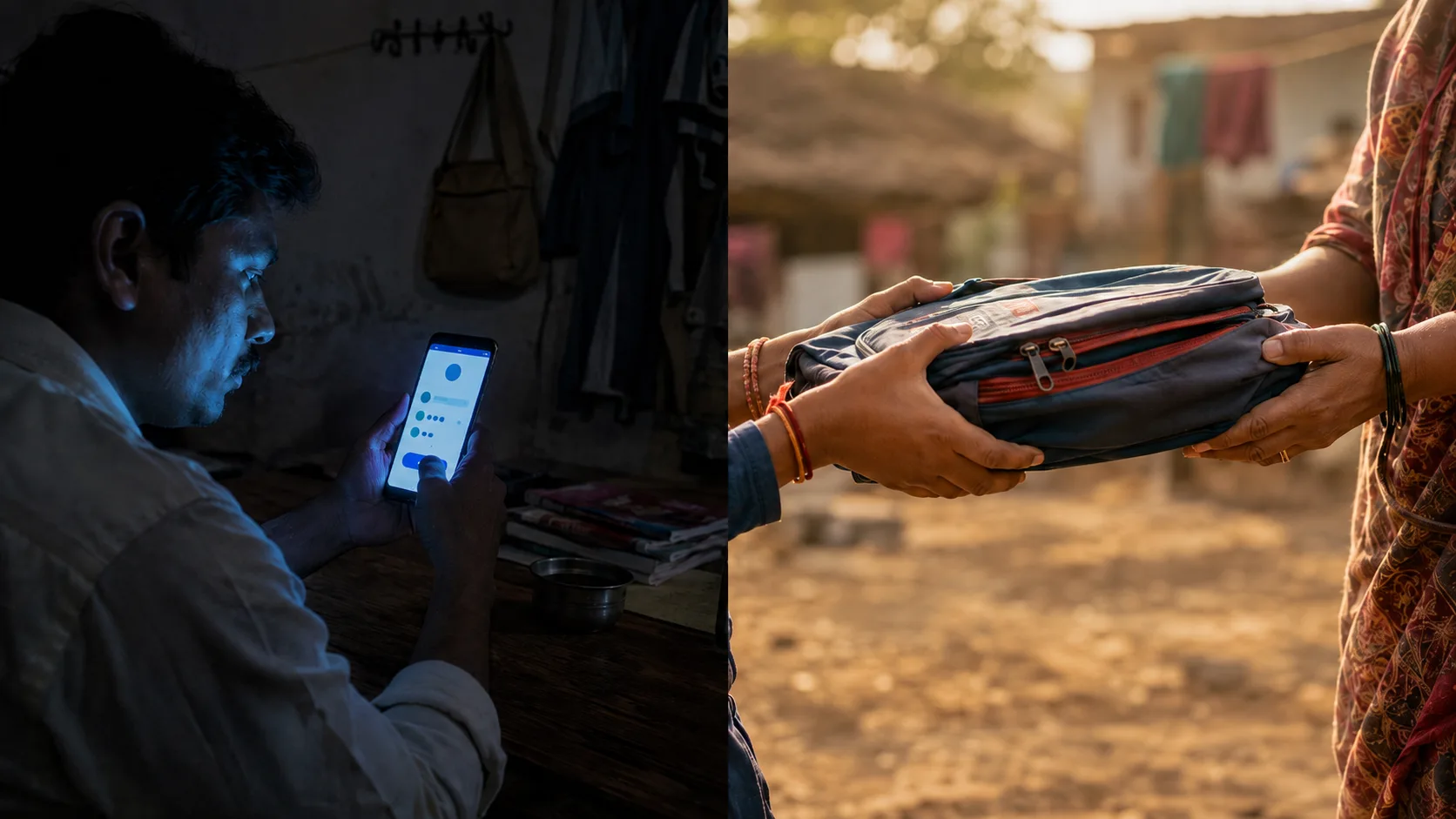
The debate between cash and in-kind giving is one of the oldest in philanthropy.
On one side: cash is flexible, scalable, and allows organisations to address needs as they evolve. On the other: in-kind giving is transparent, direct, and ensures the donor's contribution produces a specific, verifiable outcome.
Both positions are correct. Neither is universally right.
The question is not 'which is better.' The question is 'which is better for this specific situation, this specific need, and this specific moment.'
Here is a clear, practical framework for making that decision.
The Case for Cash: When Monetary Donation Is the Right Choice
Cash is the most flexible form of giving. It can be converted into any good or service, can be pooled with other donations to fund programmes of scale, and allows organisations with expertise to make purchasing decisions that individual donors cannot.
Choose cash donation when:
The need is complex and multi-dimensional. Disaster relief - floods, earthquakes, fires - requires a constantly shifting mix of goods and services. The organisation on the ground knows what is needed hour by hour. Your cash allows them to respond dynamically.
The need requires infrastructure investment. Building a classroom, installing a water filtration system, funding a two-year vocational training programme - these goals require pooled, sustained funding that individual in-kind items cannot address.
The recipient organisation is sophisticated and accountable. When you trust the organisation completely, have verified their financial management, and know they will convert your rupees efficiently into community impact, cash is a perfectly appropriate form of giving.
The need is geographically distant. When you want to support a cause in a district or state you cannot easily reach with in-kind goods, cash routed through a verified organisation with local operations is more practical.
You want to support an organisation's operational capacity, not just its programmes. A great NGO needs staff salaries, office infrastructure, and transport. Cash donations fund this operational backbone.
The Case for In-Kind: When Giving Goods Is the Better Choice
In-kind giving is the most direct form of charitable action. The item you donate is the item received - with no conversion loss, no administrative overhead, and no uncertainty about what your contribution produced.
Choose in-kind donation when:
The need is specific and known. When a student needs a Class 8 CBSE science textbook, a cash donation to a general education fund does not solve the problem. The book does.
Speed matters. A child who needs a school bag before term starts on Monday cannot wait for a cash donation to be processed, transferred, and spent. An in-kind donation arranged through CauseKind can be in their hands by Friday.
You want zero overhead. In-kind giving through a verified platform like CauseKind means 100% of your donation reaches the recipient - no administrative cost, no conversion loss.
You have a specific item to offer. If you have a working laptop, a set of textbooks, or a bag of good-condition children's clothing, donating the item itself is more efficient than selling it and donating the cash proceeds.
You want verified, documented impact. In-kind giving through CauseKind produces item-level documentation and independent delivery confirmation - more specific and verifiable than most cash-based impact reports.
The recipient has posted a specific request. When someone has specifically asked for a particular item - on CauseKind's verified platform - giving that item is the most direct, most efficient, most dignified response.
The Comparison Table: At a Glance
| Factor | Monetary Donation | In-Kind Donation |
|---|---|---|
| Administrative overhead | 15-40% absorbed by intermediary | Zero - item goes directly |
| Speed to impact | Weeks to months | Days |
| Specificity | Organisation decides use | You know exactly what it provides |
| Flexibility | High - can fund any need | Matched to specific need |
| Impact documentation | Activity-based reporting | Item-level, verified delivery |
| Minimum contribution | Any amount | Any single item |
| Best for | Complex, large-scale, distant needs | Specific, immediate, local needs |
| Dignity for recipient | Indirect | High - specific item matched to request |
The Hybrid Approach: Combining Both for Maximum Impact
The most sophisticated giving strategies combine monetary and in-kind contributions based on the nature of the need.
For a corporate CSR programme:
- Use cash CSR budgets for large-scale programme funding with trusted NGO partners
- Use quarterly in-kind drives for specific, immediate, employee-engaging community impact
- Use decommissioned asset donations for ongoing device and equipment donations
For individual givers:
- Set aside a monthly in-kind donation habit for specific local needs through CauseKind
- Reserve cash donations for disaster relief, health emergencies, and causes requiring programme-level funding
- Match your giving type to the specificity of the need
The question 'monetary or in-kind?' does not need a single answer. It needs a thoughtful answer that matches the form of giving to the nature of the need.
Frequently Asked Questions
Is in-kind donation better than cash donation?
Neither is universally better. In-kind donation is better for specific, immediate, local needs where you know exactly what is required. Cash donation is better for complex, large-scale, or geographically distant needs where an organisation needs flexibility to determine priorities.
Do in-kind donations qualify for tax deduction in India?
Direct in-kind donations of goods generally do not qualify for 80G tax deduction. Cash donations to eligible organisations do. Purchasing goods specifically to donate as part of a corporate CSR programme may qualify as eligible CSR expenditure - consult your CA for specific guidance.
The best donation is the one that reaches the right person in the right form at the right time.
For specific, immediate, community-level needs - the school bag, the textbook, the sanitary pads, the laptop - in-kind giving through a verified local platform is almost always the fastest, most transparent, and most dignified approach.
For complex, large-scale, programme-level goals, cash remains essential.
Knowing the difference is the foundation of giving well.
Browse In-Kind Requests Near You → Read: 7 Benefits of In-Kind Donations → Create Your Free CauseKind Account →
CauseKind is India's verified giving platform. Zero fees. Admin-verified listings. Every donation matched within 10 km and tracked to delivery.