Somewhere in your home there is probably a cricket bat nobody swings, a football with a slow leak, or a badminton set from a holiday years ago. Meanwhile, a school ground nearby has twenty children and one ball.
Sport is how many children learn teamwork, confidence and fitness, and the equipment is often the only thing missing. If you want to donate sports equipment in India, the right item in the right condition can put a whole team on the field. This guide covers what to give, what to keep out, how to prepare it and how to donate sports equipment in India to a request that has asked for it.
Why Sports Equipment Is Often Missing Where It Matters
Many schools, children's homes and community grounds have the space to play but not the kit. Equipment wears out quickly, and buying a full set for a team is a real cost.
At the same time, households often hold sports gear that is used for a season and then forgotten. The two sit a few kilometres apart and never meet.
Sports equipment is one of the easiest things to give and one of the most useful, when it is matched to a real request. The aim of this guide is to make that match simple and safe.
Which Sports Equipment Is Most Useful
The most useful items are the ones many children can share:
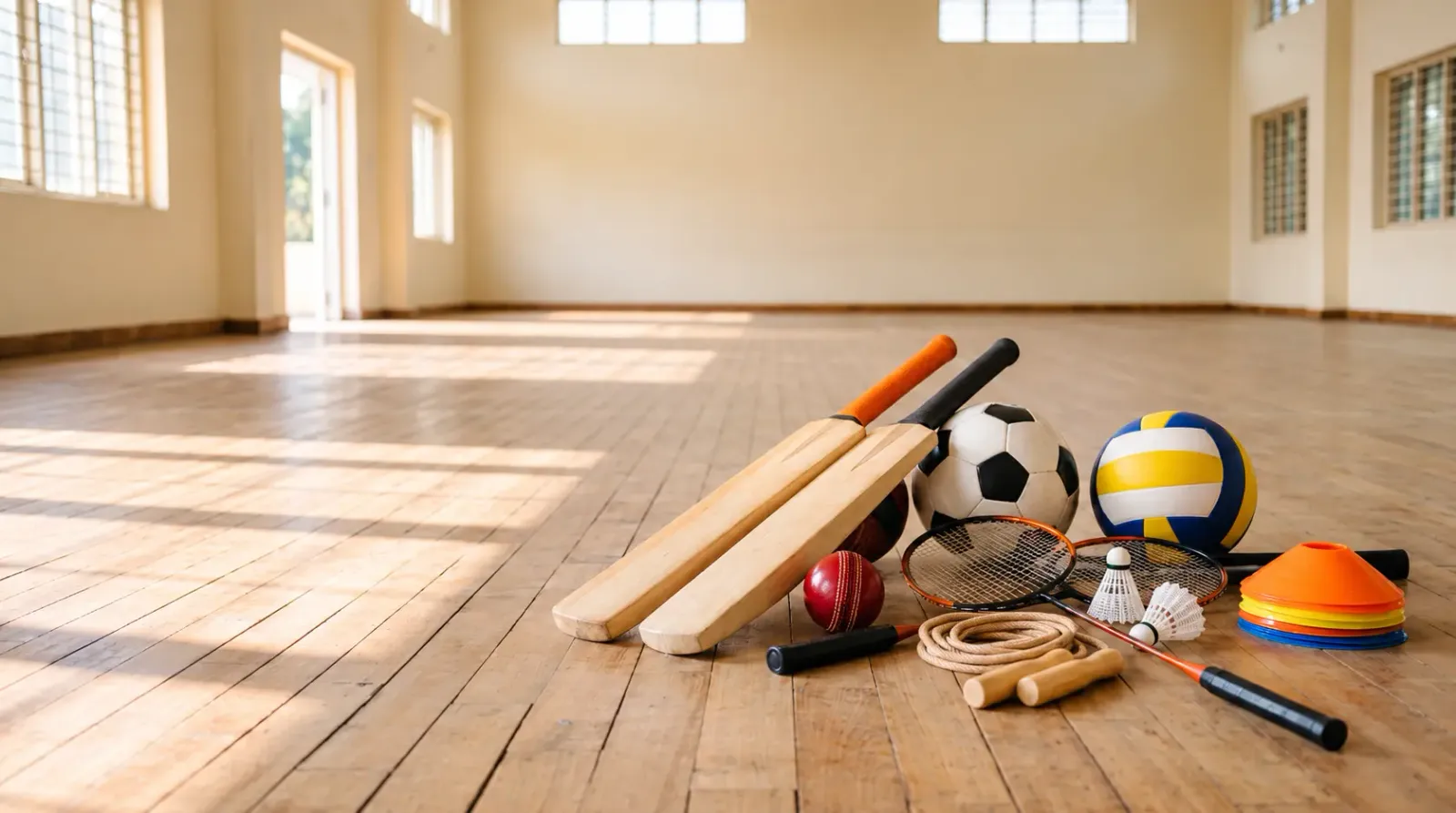
- Balls: cricket balls, footballs, volleyballs, basketballs and tennis balls
- Bats and rackets: cricket bats, badminton rackets, table tennis bats
- Team items: nets, cones, stumps, bails and goalposts that are complete
- Small kit: skipping ropes, shuttlecocks, frisbees, hula hoops
- Indoor games: carrom boards, chess sets and table tennis sets
- Clean team jerseys and sports clothing in good condition
Sets are better than single items. A bat with no ball, or a net with no posts, is much harder to use.
Sports Equipment to Leave Out Before You Donate
Some gear looks usable but can cause injury or simply cannot be used. Please leave out:
- Helmets, pads and guards that are cracked, loose or very old. Protective gear loses its strength with age and impact.
- Bats with deep cracks or loose handles
- Torn nets, broken stumps and items with missing parts
- Rackets with broken frames or badly worn strings
- Worn-out shoes and anything that smells of sweat or damp
- Large or heavy fitness equipment, unless a listing specifically asks for it
If an item could hurt a child when it is used, it does not belong in a donation. Replace it, or recycle it, instead.
How to Prepare Sports Equipment for Donation
A little preparation turns old kit into ready-to-use kit.
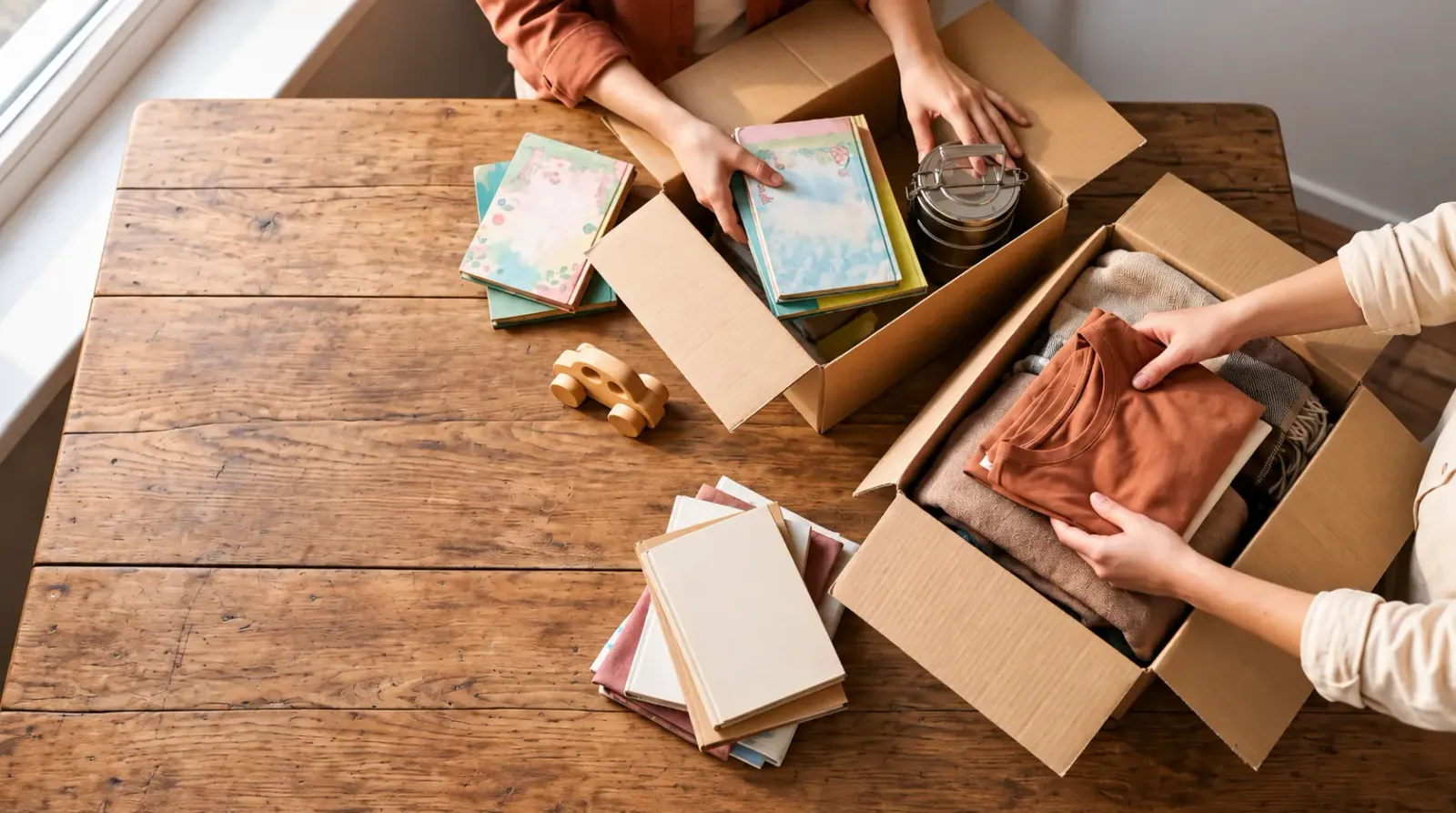
- Clean it. Wipe bats and rackets, wash jerseys and dry everything fully.
- Inflate and test balls. If a ball will not hold air, leave it out.
- Check the stitching and strings. Look for loose seams and frayed strings.
- Complete the sets. Keep pumps, needles, stumps, bails and nets together.
- Group by sport. One bag for cricket, one for football and one for badminton is easier to hand over.
- Label the bag. Note the sport and the number of items.
Where Sports Equipment Is Needed
Equipment is welcomed at:
- Government and low-fee schools
- Children's homes and shelters
- Community grounds and local clubs
- Learning centres that run sports sessions
- Hostels and after-school programmes
Before you give, it helps to confirm the organisation is genuine. Our guide on how to verify an NGO before donating in India lists the checks worth doing.
How to Donate Sports Equipment in India Through CauseKind
CauseKind connects your equipment to a verified request, so you know it will be used.
- Browse verified requests. Open verified in-kind requests and look for sports, or browse sports equipment donation requests directly.
- Choose a request you can meet. Check the items, quantity and condition asked for.
- Pledge your donation. Listings are verified by CauseKind admins before they go live.
- Pack and deliver. Follow the delivery instructions on the listing. Requests are matched within 10 km where possible, so the journey is short.
- Receive your Impact Certificate. Delivery is confirmed and documented, and you receive a verified certificate showing where your equipment went.
There are zero fees for donors. You can read how nearby matching works in How Local Donation Matching Works in India.
Turn Spare Kit Into a Sports Drive
One bag of kit helps one team. A drive across your housing society, office or school can equip many.
Collect equipment in one place, sort it by sport, and deliver it together. Our step-by-step guide to organising an item donation drive in India shows how, and The Ultimate Guide to In-Kind Donations in India explains what makes a good donation.
Check Sizes for Children's Kit
Sports kit only helps if it fits. Cricket bats come in sizes 1 to 6 for children and Harrow and full size for teenagers; a bat that is too heavy changes how a child learns to play. Footballs come in sizes 3, 4 and 5 by age group. Shoes, pads and gloves all have sizes that matter for safety.
Write the size on each item with a marker or on a tag, and list the sizes in your listing. A coach can then match kit to children straight away instead of guessing, and nothing sits unused because it is too big or too small.
Group kit by sport and by size where you can. A full set for one age group, such as four bats and a set of pads in size 4, is more useful to a school team than odd pieces across many sizes.
Give Kit Children Can Use Today
Equipment is not a gift when it is broken, incomplete or unsafe. It is a gift when a child can pick it up and play straight away.
Choose items in good condition. Keep sets together. Match them to a request. That is how you donate sports equipment in India so that it gets used season after season.
A single working football can give a whole group of children an evening of play.
See How CauseKind Verifies Every Donation → Browse Verified In-Kind Requests Near You → See How Impact Certificates Work → Create Your Free CauseKind Account →
CauseKind is India's verified giving platform. Zero fees. Admin-verified listings. Every donation matched within 10 km and tracked to delivery with a verified Impact Certificate.