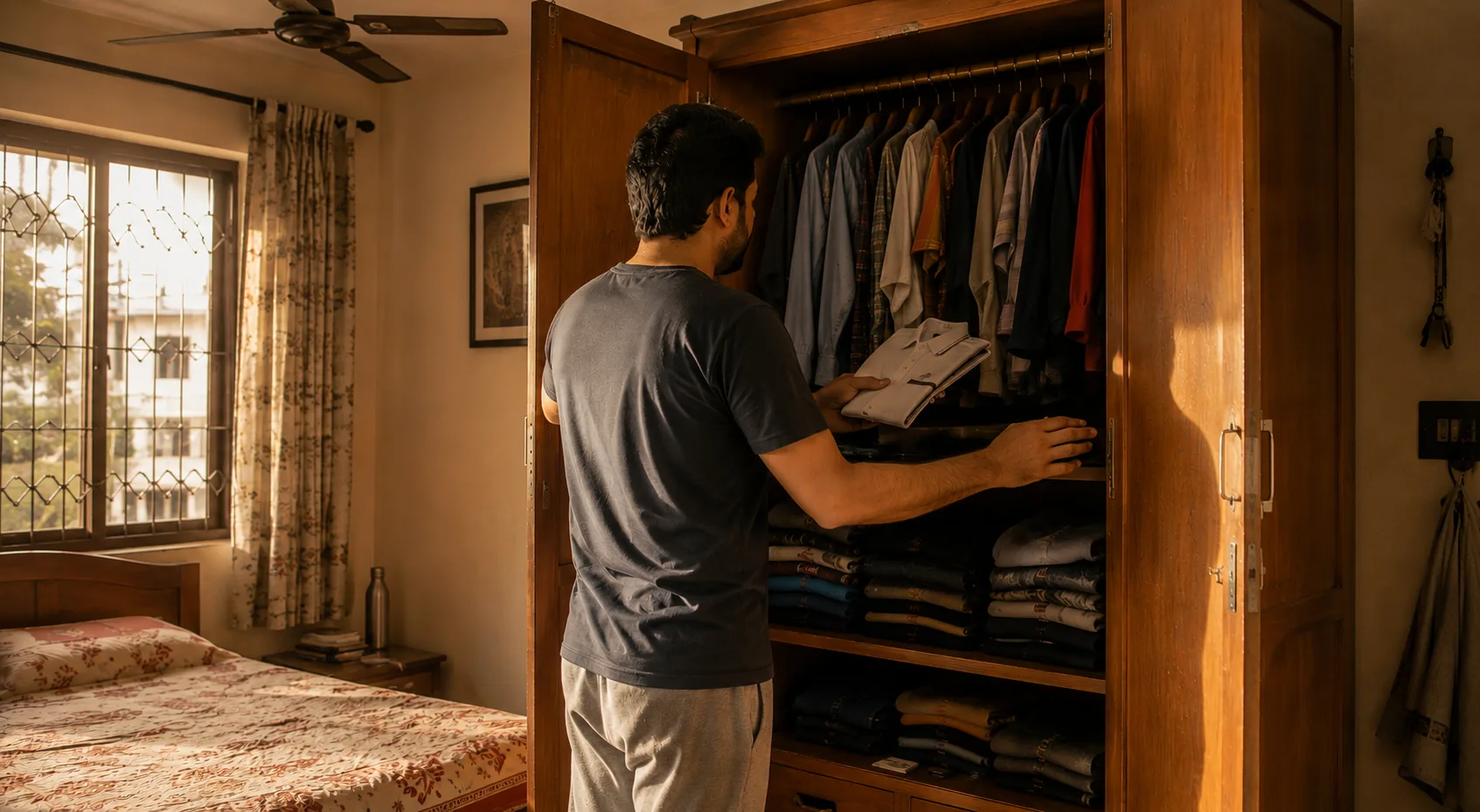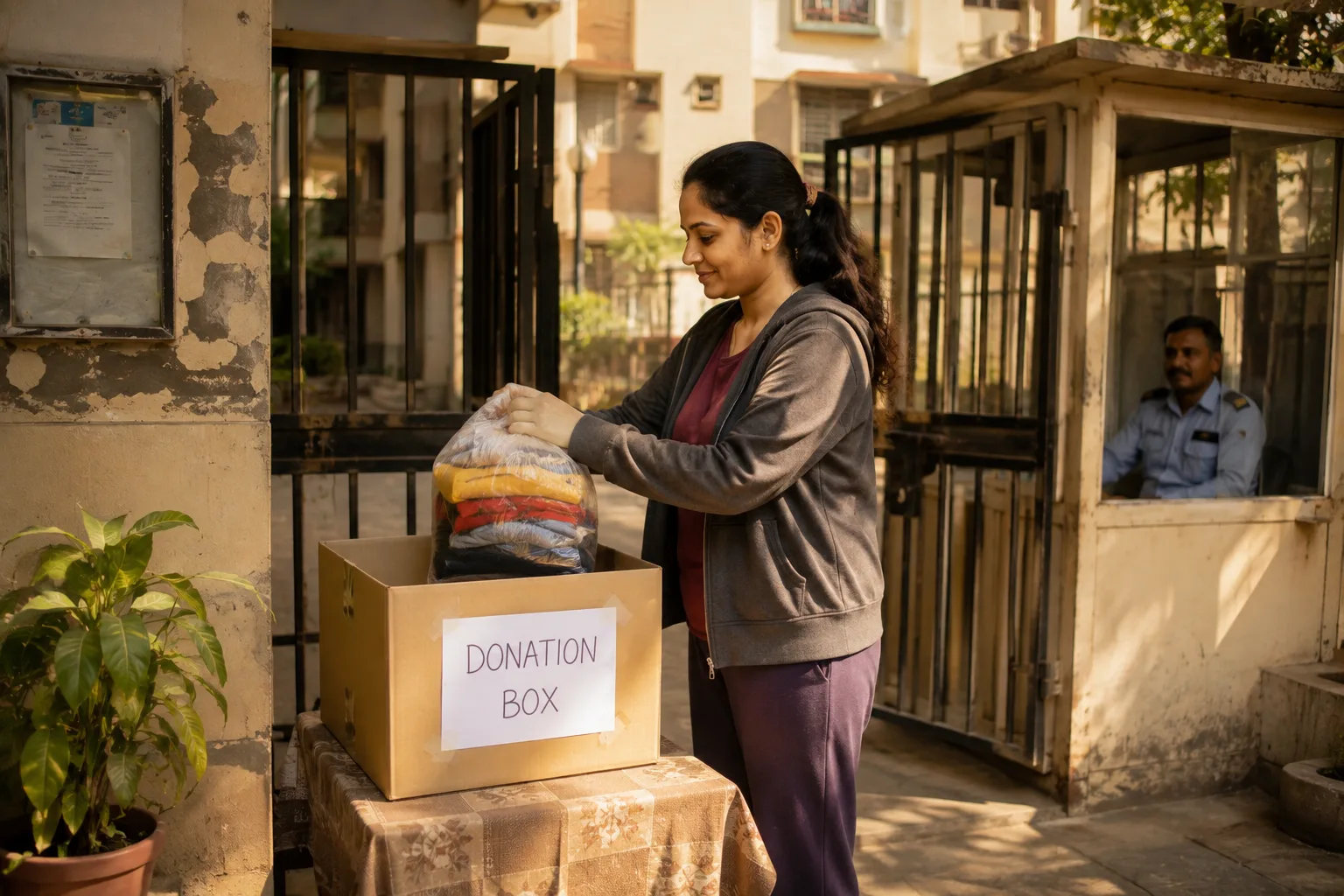
When the first cold nights arrive, most of us pull out an extra blanket and think nothing more of it. For many people, there is no extra blanket to pull out. A thin sheet on a cold floor is a very different winter.
If you want to donate blankets in India, winter is the moment it counts most. This guide shows when to start, what makes a blanket worth giving, how to clean and pack it, and how to donate blankets in India to a request that has asked for exactly what you have, so warmth reaches people instead of piling up unused.
Why Winter Giving Needs Planning
Cold-weather donations tend to arrive all at once, around the coldest weeks, and then stop. The gap is often at the start of the season, when nights have turned cold but donations have not yet begun.
That is why November is a good time to act. If you donate blankets in India early, they are in place before the sharpest cold, and organisations have time to plan distribution instead of reacting.
Planning also protects you from a common mistake: giving a large pile at the wrong time or place. Winter, like the monsoon, is a season with its own needs. Our post on monsoon giving shows how seasonal needs get missed when giving is not planned.
What Makes a Good Blanket Donation
A blanket helps only if it can keep someone warm for a whole winter. Look for:
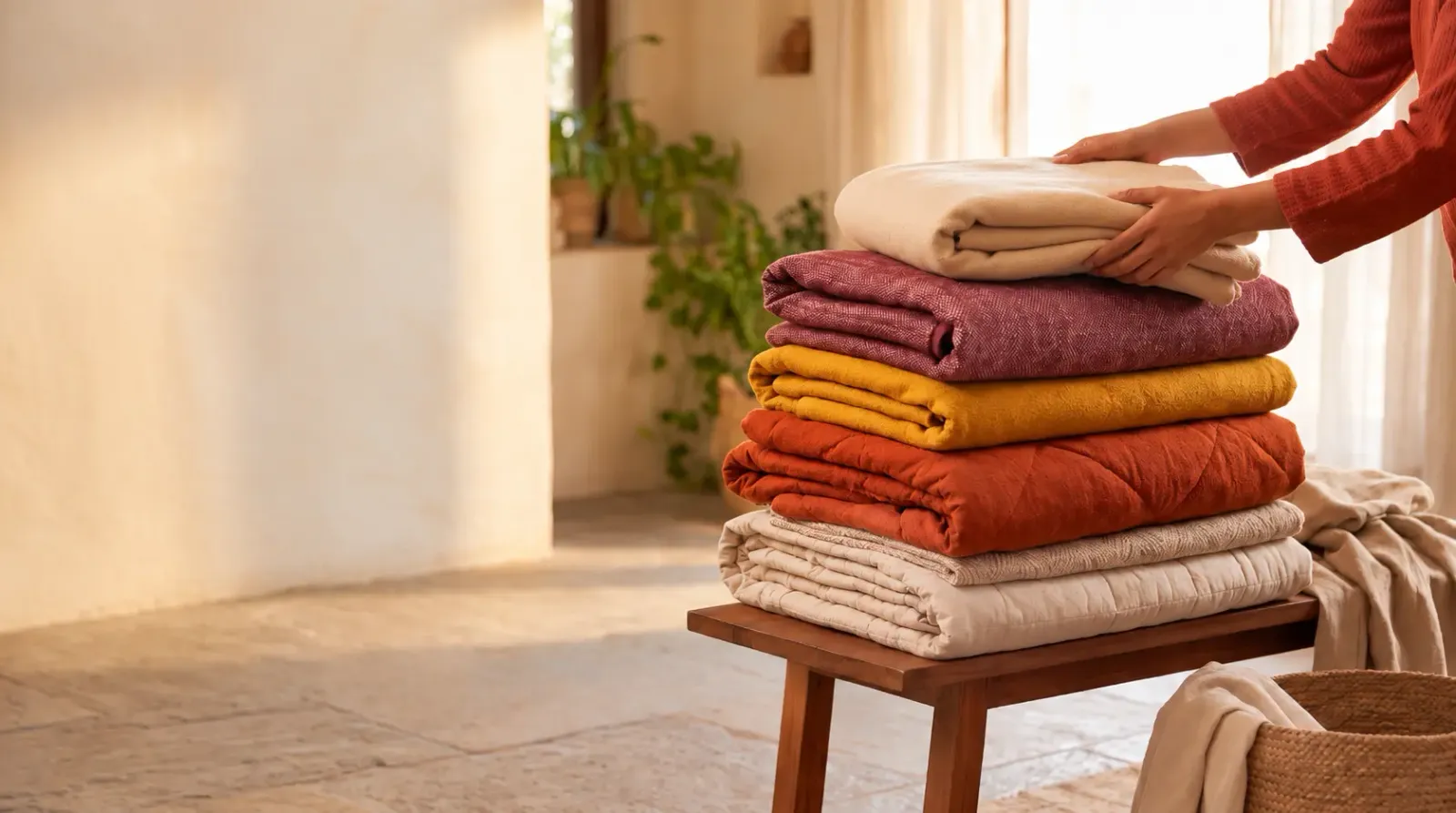
- Warmth. Thick quilts, razais, wool blankets and fleece blankets are better than thin sheets.
- Cleanliness. Washed, fully dry and fresh smelling.
- Whole condition. No large tears, loose stuffing or broken seams.
- Practical size. A single-bed size is the most useful, because it suits a cot, a mat or a floor.
Both new and gently used blankets are welcome. What matters is that the person receiving it would be glad to use it.
A good blanket donation is one you would be happy to sleep under yourself.
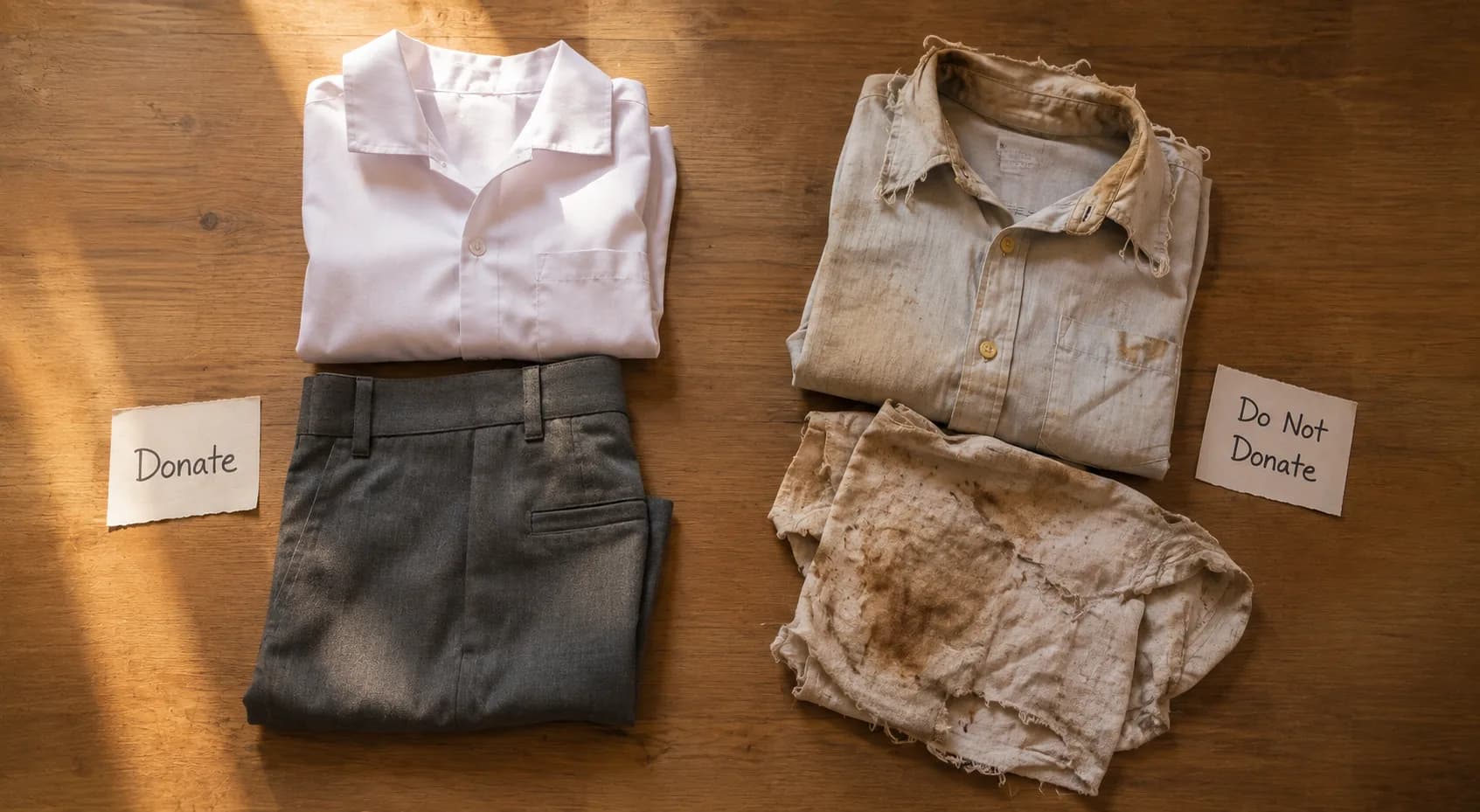
Blankets and Winter Items to Leave Out
Some things look like help but are not. Please leave out:
- Damp, musty or mouldy blankets
- Torn, thin or heavily worn bedding
- Stained or soiled items
- Summer sheets and light cotton throws
- Carpets, rugs and curtains, which are not warm enough to sleep under
- Anything with an odour that washing cannot remove
Our guide to what clothes should not be donated in India applies the same rule to winter wear: if it is not clean and usable, it will not help.
How to Wash, Dry and Pack Blankets
A few careful steps make a donation easier to receive and safer to use.
- Check first. Hold each blanket up to the light and look for holes and weak seams.
- Wash it. Use the washing instructions on the label. Heavy quilts may need a laundry service.
- Dry completely. Sun-dry for as long as possible. A blanket packed even slightly damp can turn musty within days.
- Fold neatly. Fold each blanket flat so it takes up less space and stays clean.
- Pack in clean bags. Use clean plastic or fabric bags. Keep each bag light enough for one person to carry.
- Label the bag. Note the number of blankets and the size.
You can use the same steps for sweaters, caps and socks, as covered in how to prepare clothes for donation in India.
Who Needs Blankets and Where
Need is not limited to one kind of place. Blankets are in demand at:
- Night shelters and community shelters
- Children's homes and old-age homes
- Hostels and learning centres
- Villages and low-income neighbourhoods
- Families living in unheated homes
Handing out blankets to strangers on a cold night feels good, but it can miss people and double up in some places. A verified request tells you how many blankets are needed, where and for whom, which means no wasted effort and no gaps.
How to Donate Blankets in India Through CauseKind
On CauseKind, you can donate blankets in India to a request that has been checked and approved.
- Browse verified requests. Open verified in-kind requests and look for blankets or winter essentials.
- Choose a request you can meet. Check the quantity, size and condition asked for.
- Pledge your donation. Listings are verified by CauseKind admins before they go live.
- Deliver or hand over. Follow the delivery instructions on the listing. Requests are matched within 10 km where possible, so your blankets reach people quickly.
- Receive your Impact Certificate. Delivery is confirmed and documented, and you get a verified certificate showing where your blankets went.
There are zero fees for donors. You can read how nearby matching works in How Local Donation Matching Works in India. If you are looking for where to give clothes as well, see where to donate clothes near me in India.
Warmth Beyond Blankets
A blanket is the most important winter item, but it is not the only one. Caps, socks, sweaters, shawls and warm jackets make a cold night safer, especially for children and older people.
If you can, give a set. A blanket, a cap and a pair of socks together are worth more than any one of them alone. A drive in your building or office can bring these together, and our guide on organising an item donation drive in India shows how.
Give Early, Give Clean, Give Where It Is Asked
Winter does not ask for much. It asks for blankets that are warm, clean and dry, delivered to the people who need them, at the time they need them.
Start in November. Check each blanket. Match it to a verified request. That is how you donate blankets in India so that every one of them is used.
One clean blanket given early can be the difference between a cold night and a warm one.
See How CauseKind Verifies Every Donation → Browse Verified In-Kind Requests Near You → See How Impact Certificates Work → Create Your Free CauseKind Account →
CauseKind is India's verified giving platform. Zero fees. Admin-verified listings. Every donation matched within 10 km and tracked to delivery with a verified Impact Certificate.