When someone sets up a home from nothing, the first thing they need is not a sofa or a television. It is a pan, a pot, a few plates and a spoon. Without them, a family cannot cook a meal at home.
Most households have more utensils than they use: a second set of plates, a spare pressure cooker, pans pushed to the back of a cupboard. If you want to donate kitchen utensils in India, those spare items can make someone's first week in a new home possible. This guide explains what to give, what to leave out, how to prepare it and how to donate kitchen utensils in India to a request that needs it.
Why Kitchen Items Matter More Than You Think
Clothes and furniture get most of the attention in donation drives. Kitchen items sit in the gap between them, and they are hard to buy all at once.
Starting a household means buying plates, glasses, pots, a pan, a ladle and storage containers, often with very little money. Shelters, hostels and community kitchens also need utensils in bulk and use them hard.
A usable kitchen item turns raw ingredients into a meal, and that is a basic form of dignity. It is also something most of us can spare.
Which Kitchen Utensils and Household Items Are Useful
The most useful items are simple and durable:
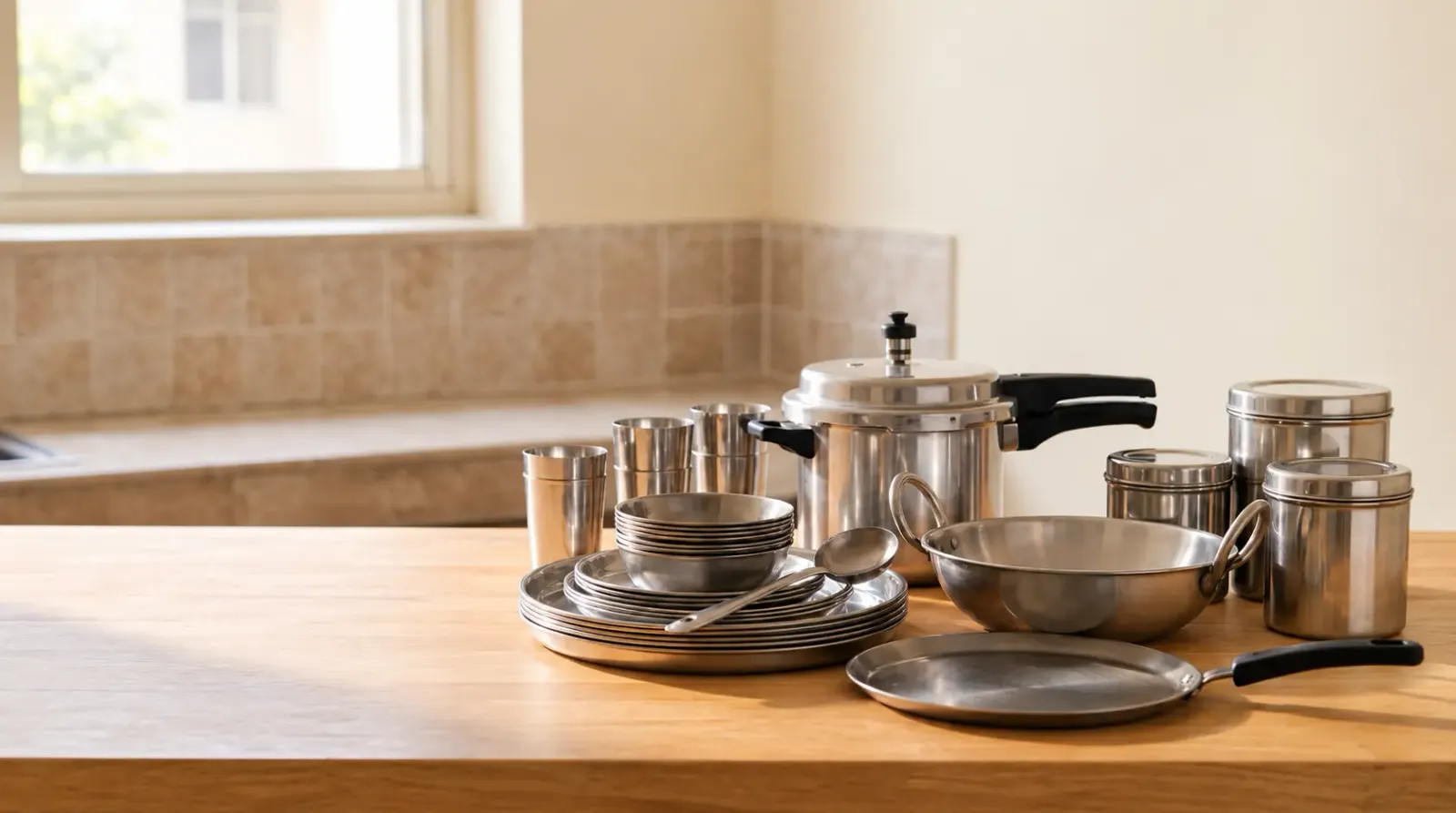
- Cooking vessels: steel and aluminium pots, kadhais, tawas and pressure cookers
- Dining items: steel plates, bowls, glasses, spoons and ladles
- Storage: steel and sturdy plastic containers with matching lids
- Preparation tools: chopping boards, graters, peelers and rolling pins
- Small household items: buckets, mugs, jugs and basic water bottles
Steel and thick aluminium last longest and are easy to clean. Full sets, such as six plates and six glasses, are far more useful than single odd pieces.
Kitchen Items to Leave Out Before You Donate
A damaged utensil can be a health risk. Please leave out:
- Non-stick pans with a flaking or scratched coating
- Cracked, chipped or stained glass and crockery
- Rusted vessels and dented pressure cookers with a damaged gasket or valve
- Plastic containers that are melted, warped or hold an odour
- Electrical appliances with frayed wires or that do not work safely
- Gas stoves, regulators and cylinders, unless a listing specifically asks for them and the safety checks are clear
If you would not cook for your own family with it, do not donate it.
How to Prepare Kitchen Utensils for Donation
Prepare each item as you would for a guest.
- Wash thoroughly. Scrub off grease and food residue, and dry completely to prevent rust.
- Check every item. Look for cracks, rust, loose handles and damaged lids.
- Match lids and sets. A pot without its lid is much harder to use.
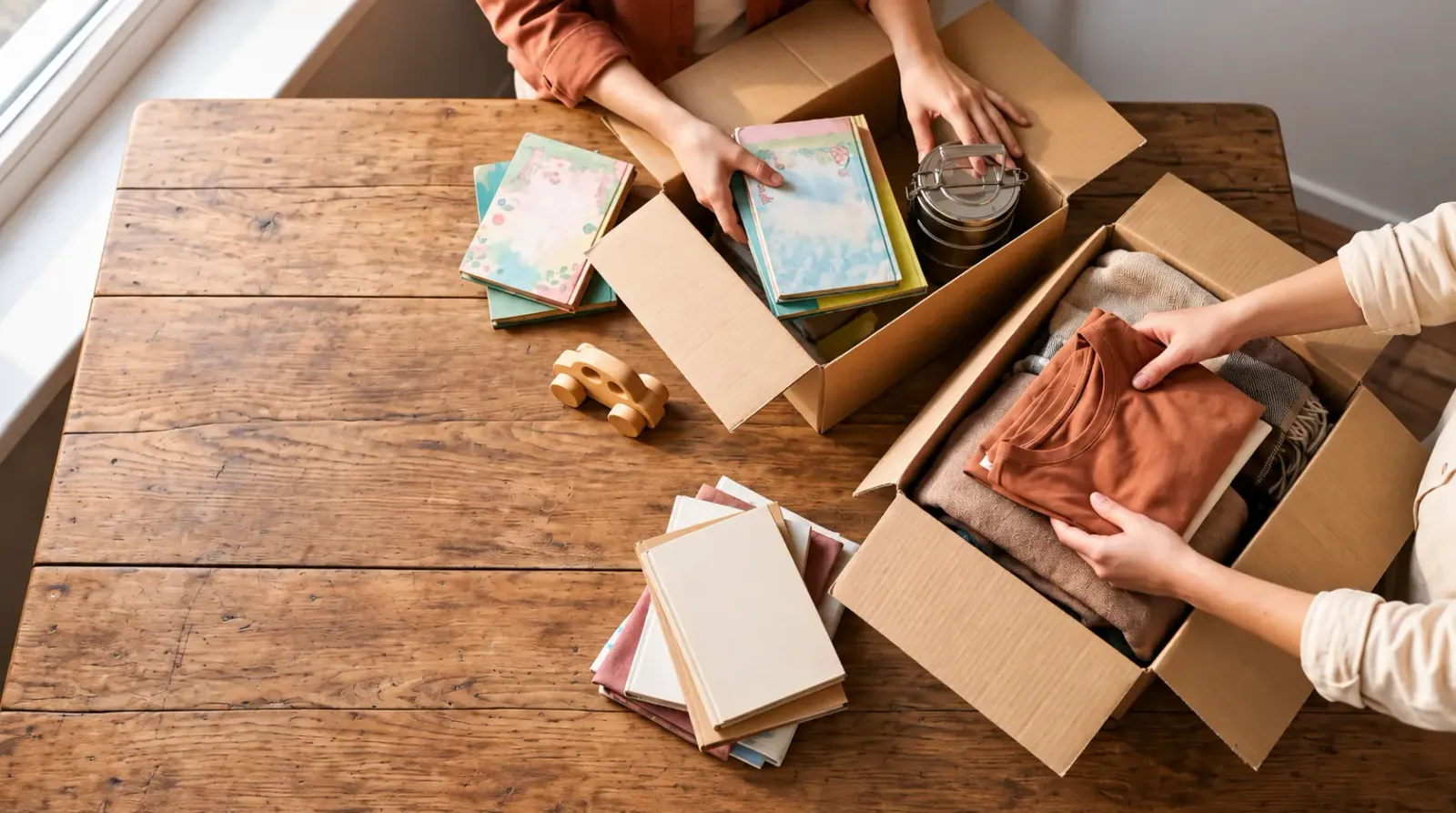
- Wrap glass and crockery. Use newspaper or cloth so nothing breaks in transit.
- Count and list. Write down what is in each box, such as "6 plates, 6 bowls, 1 pan".
- Pack in sturdy cartons. Keep boxes small enough for one person to carry.
Who Needs Kitchen Items
Utensils and household items are needed at:
- Families setting up a first home
- Shelters, hostels and children's homes
- Community kitchens and meal programmes
- Learning centres with a small canteen
- Families rebuilding after a loss or move
It helps to confirm the organisation is genuine before you give. Our guide on how to verify an NGO before donating in India shows what to check.
How to Donate Kitchen Utensils in India Through CauseKind
CauseKind helps you give to a request that has been checked and approved.
- Browse verified requests. Open verified in-kind requests and look for household or kitchen items, or browse requests to donate household items.
- Choose a request you can meet. Check the items, quantity and condition asked for.
- Pledge your donation. Listings are verified by CauseKind admins before they go live.
- Pack and deliver. Follow the delivery instructions on the listing. Requests are matched within 10 km where possible, so heavy boxes travel a short distance.
- Receive your Impact Certificate. Delivery is confirmed and documented, and you receive a verified certificate showing where your items went.
There are zero fees for donors. You can read how nearby matching works in How Local Donation Matching Works in India.
Give a Whole Set, Not Odd Pieces
Pairing items makes a donation far more useful. A starter kit might include a pressure cooker, a pan, a tawa, six plates, six glasses, a ladle and a set of containers.
If you are clearing a home or moving, you can combine kitchen items with furniture and clothes in a single handover. Our guide to organising an item donation drive in India shows how to bring a whole building together.
Steel, Aluminium and Non-Stick: What Holds Up
Stainless steel vessels are the most useful kitchen donation: they last for years, clean easily and suit every kind of cooking. Check the base for dents that stop a pan sitting flat on a stove, and the handles for loose rivets.
Aluminium pressure cookers are widely used, but check the gasket, the whistle and the safety valve before you give one. If the gasket is cracked, include a new one: it costs little and makes the cooker safe to use. Never donate a cooker with a damaged lid or lock.
Non-stick pans are only worth giving if the coating is fully intact. Once the surface is scratched or peeling, the pan should be recycled, not donated. The same goes for plastic containers that are cracked, stained or have lost their lids.
A Clean Kitchen Starts With a Few Good Items
Kitchen utensils are ordinary things, but for someone starting over they are the first step to a normal day.
Clean everything. Check the condition. Keep sets together. Give to a request that has asked for what you have. That is how you donate kitchen utensils in India so that they are used every single day.
A few good pots and plates can turn an empty room into a home.
See How CauseKind Verifies Every Donation → Browse Verified In-Kind Requests Near You → See How Impact Certificates Work → Create Your Free CauseKind Account →
CauseKind is India's verified giving platform. Zero fees. Admin-verified listings. Every donation matched within 10 km and tracked to delivery with a verified Impact Certificate.