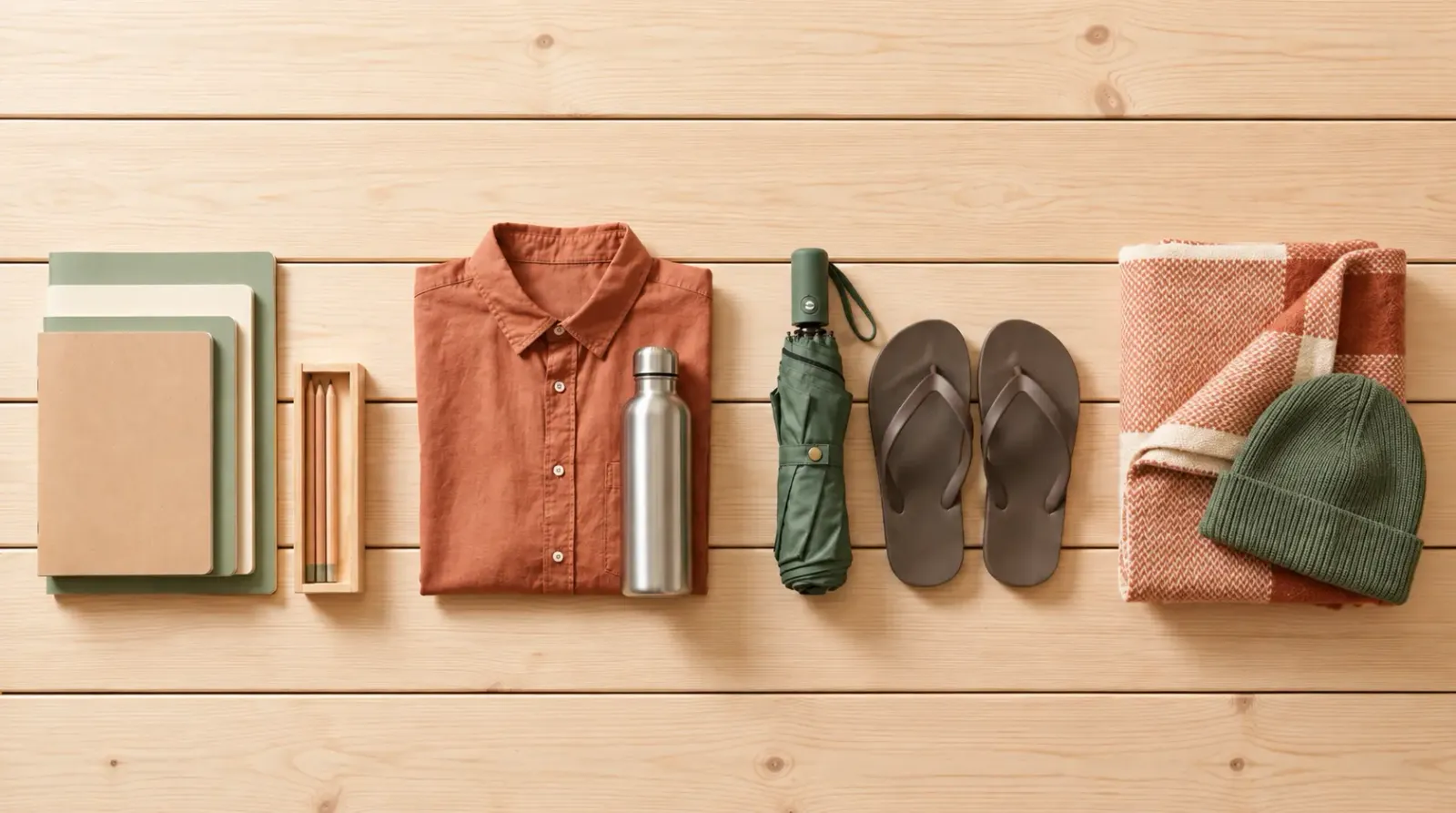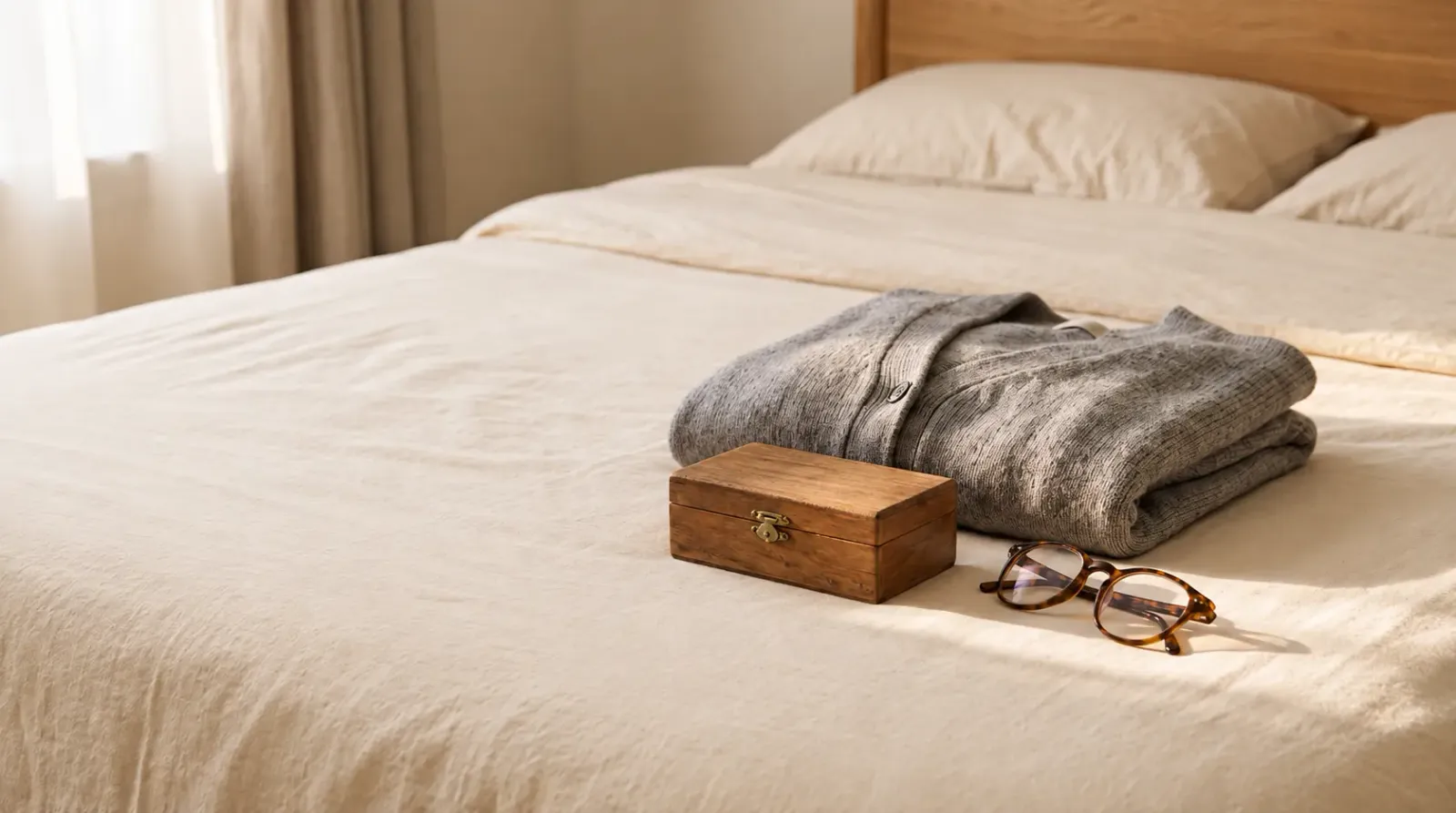
When someone close to us dies, the things they leave behind stay in the house long after the day itself. A shirt on a hook. A pair of glasses by the bed. A shelf of books.
There is no right way to handle these things, and no deadline. Some families wait months, others begin sooner. This guide is for the time you choose to start. It offers calm, practical steps to donate a loved one's belongings in a way that is respectful, careful and useful to someone else, and it asks you to go at the pace that is right for you.
Begin Only When You Are Ready
There is no rule about when to start. Some people find comfort in giving things away soon, and others need a long time. Both are normal.
If it feels too heavy, you can stop and return to it later. You do not need to finish in one weekend, and nothing here is urgent. You can donate a loved one's belongings slowly, in stages, and at your own pace.
Asking a friend or a family member to sit with you while you sort can also make it easier.
Decide Together as a Family
Belongings often matter to more than one person. Before anything leaves the house, talk with the family about what people would like to keep.
You might agree that each person chooses a few items first, such as a watch, a shawl or a book. Then you can decide together what to give away. Some families also follow customs or rituals around a person's belongings, and these should be respected.
What to Keep and What to Give
A few ideas can help you decide:
- Keep what carries a memory. A small number of meaningful things is often enough.
- Give what is useful. Clean clothes, books, utensils, furniture and mobility aids can help others.
- Put aside what you are unsure about. Place it in a box and decide later.
Giving a loved one's things to someone who will use them can feel like a way of carrying their kindness forward. Do only what feels right for you.
Sort in Stages
A calm, step-by-step approach keeps the task manageable.
- Start with one room or one category, such as clothes or books.
- Make three piles: keep, give, and decide later.
- Take breaks. An hour at a time is enough.
- Pack the give pile carefully and label it.
- Leave the hardest things for last.
Items That Need Special Care
Some belongings need attention before you give them away.
- Documents and papers. Keep identity papers, bank papers, certificates and anything related to property or insurance. If you are unsure, check with your family or a legal adviser before parting with them.
- Phones, laptops and tablets. These hold personal data. Do not donate them until you have secured and erased what they contain. Our guide to erasing personal data before donation in India explains how.
- Jewellery and valuables. These often have legal and family significance, so decide on them with your family first.
- Religious and ceremonial items. Follow your family's customs.
- Medicines. Medicines and used medical supplies must not be donated through item listings.
- Mobility aids. Wheelchairs and walkers can help others if they are in good condition. Our guide to donating wheelchairs in India lists the safety checks.
Prepare Clothes and Household Items
Clean and fold clothes, and check pockets for papers, cards and cash. Wash and dry linen and blankets. Our guide to how to prepare clothes for donation in India covers the steps, and what clothes should not be donated lists what to leave out.
Books, utensils and furniture follow the same rule: if it is clean, whole and useful, it can help someone. Our posts on books, kitchen utensils and furniture explain how.
Where Belongings Can Do the Most Good
Items are most useful when they go to someone who asked for them. A student who needs books, a family setting up a home, a shelter in need of blankets: a verified request tells you exactly what is wanted, so nothing goes to waste.
It is also reassuring to know where the things went. Our guide on how to verify an NGO before donating in India shows how to be sure an organisation is genuine.
How to Donate a Loved One's Belongings Through CauseKind
- Browse verified requests. Open verified in-kind requests and look for what suits the items you have.
- Choose a request you can meet. Check the items, quantity and condition asked for.
- Pledge your donation. Listings are verified by CauseKind admins before they go live.
- Deliver. Requests are matched within 10 km where possible, so the journey is short.
- Receive your Impact Certificate. Delivery is confirmed and documented, and you receive a verified certificate showing where the items went.
There are zero fees for donors.
Write Down What Each Item Meant
Many families find it easier to let go of an item once its story is written down. Before you give something away, a short note on what it was and who used it can be kept in a small notebook or a phone album, alongside a photo.
Some families choose to pass that story on with the item. A line such as "This shawl belonged to our grandmother, who loved the winter mornings" can mean a great deal to the person who receives it. It is entirely your choice, and it is fine to share nothing at all.
Keeping the record also helps later. When someone in the family asks what happened to a particular watch or sari, you can tell them where it went and that it is still in use.
Giving With Care, in Your Own Time
There is no perfect way to handle a loved one's things. There is only the way that feels right to you and your family.
Go slowly. Keep what matters. Give what can help someone else. When you donate a loved one's belongings with care, you give someone a useful thing and keep a good memory.
Giving away a loved one's things does not mean letting go of them. It means someone else can use what they once used.
See How CauseKind Verifies Every Donation → Browse Verified In-Kind Requests Near You → See How Impact Certificates Work → Create Your Free CauseKind Account →
CauseKind is India's verified giving platform. Zero fees. Admin-verified listings. Every donation matched within 10 km and tracked to delivery with a verified Impact Certificate.